 Request
 Forms
Forms

 (432)
367-4774
(432)
367-47744 Consequences of Ignoring a TMJ Disorder
August 27, 2026
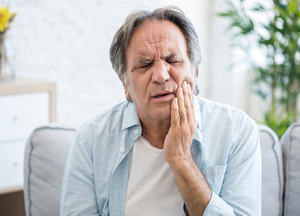
When the joints that allow you to move your lower jaw are injured or overworked, it can lead to a TMJ disorder. This condition often results in jaw pain and other unpleasant symptoms. TMJ disorder is not a life-threatening issue, but that doesn’t mean you can ignore it; it can potentially have serious consequences if it’s left unaddressed. Below is a quick look at 4 of the problems you might face if your TMJ disorder remains untreated.
1. Chronic Jaw Pain
At first, TMJ disorder may only cause occasional pain in the jaw. This is part of the reason why some patients think they can simply learn to live with the condition. However, if the issue goes unaddressed for too long, your discomfort may start to become more frequent. Eventually, you may reach the point where you are experiencing constant pain in your jaw. If you want to avoid this outcome, it’s in your best interest to have your TMJ disorder treated by a professional as quickly as possible.
2. Worn Down Teeth
In many cases, TMJ disorder is related to unconscious grinding and clenching of the teeth. This condition is known as bruxism, and it often strikes while you’re asleep and unable to directly control what your jaw does. When you grind or clench your teeth, it can significantly wear down the enamel and even cause it to fracture. Treating TMJ disorder often means taking steps to address bruxism before it can lead to permanent dental damage.
3. Issues with Nutrition
If TMJ disorder is causing serious pain in your jaw, you may find yourself avoiding certain foods and sticking to softer ones that don’t require as much chewing. But while this may make mealtimes easier, eating only soft foods can limit your options for maintaining good nutrition, which can have a serious impact on your overall health in the long run. The sooner you have your TMJ disorder treated, the sooner you can relieve your pain so that it’s no longer an obstacle to maintaining a balanced, nutritious diet.
4. Sleep Apnea
Sleep apnea and TMJ disorder can be more closely related than many people realize. A TMJ disorder is often linked to a misaligned jaw. If your jaw is too far back, it can narrow the airway; this makes it more likely that your breathing will be interrupted while you’re asleep, leading to sleep apnea episodes. Addressing a misaligned jaw can help improve TMJ disorder and sleep apnea symptoms.
In summary, if you want to avoid the worst consequences of TMJ disorder, you shouldn’t ignore the issue for too long. The sooner you seek treatment, the sooner you can alleviate your pain and improve your quality of life.
About the Author
Dr. Steve W. Cobb has well over four decades of dental experience. He earned his dental degree at Baylor School of Dentistry, and he currently keeps a close eye on the latest research in the dental field so that he can stay up to date with the latest treatment strategies. At his current practice in Odessa, he offers personalized solutions for TMJ disorder. If you’re experiencing recurring pain in your jaw, you can schedule an appointment with Dr. Cobb by visiting his website or calling (432) 367-4774.
No Comments
No comments yet.
RSS feed for comments on this post.
Sorry, the comment form is closed at this time.